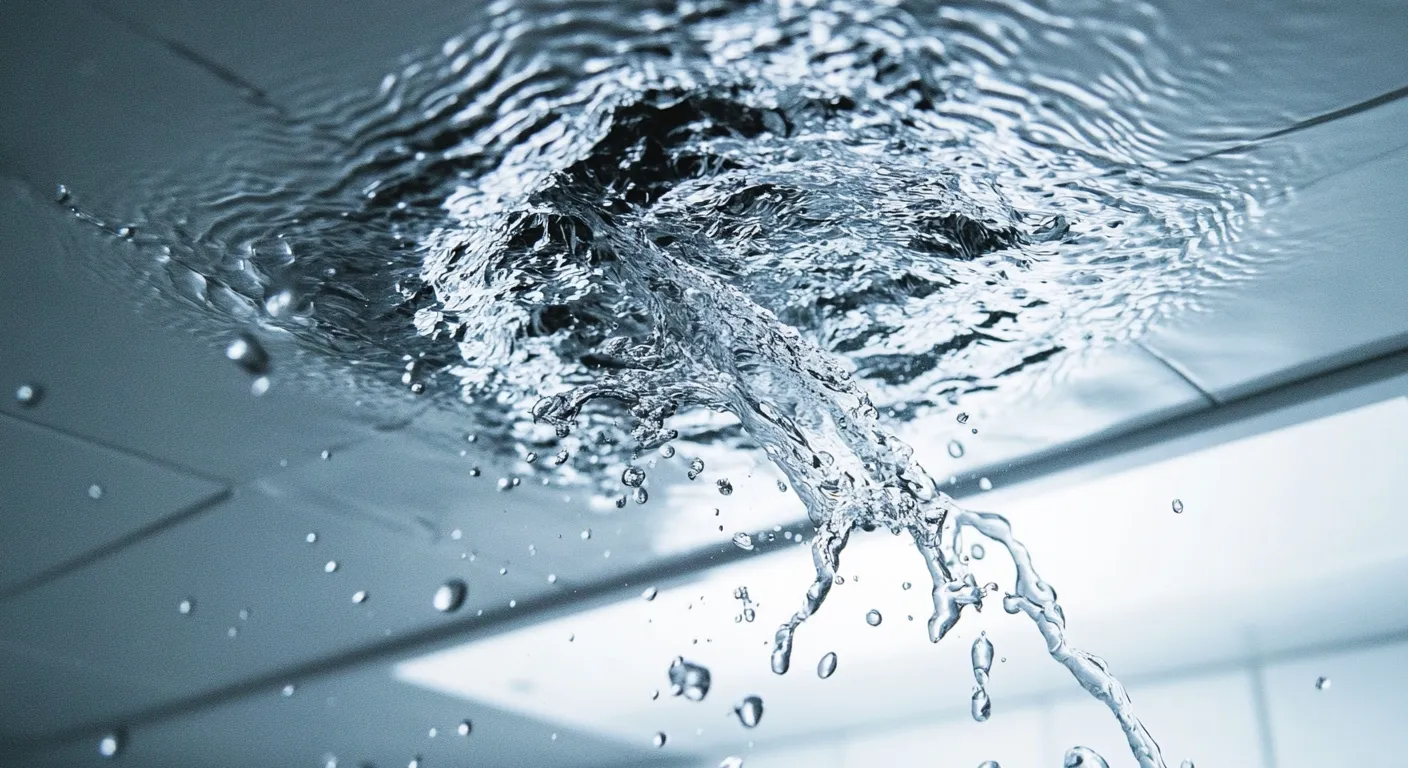
What to Do About Water Leaks from Your Ceiling
Discovering water leaking from your ceiling is a serious issue that requires immediate action. A leak not only threatens the structural integrity of your home but can also lead to secondary issues like mold growth and water damage. For homeowners in Plymouth, MA, Select Pro Contracting provides expert roof inspections and repairs, ensuring your home stays safe and dry.
Identifying the Source of the Leak
Understanding the cause of the leak is the first step in addressing it effectively. Water can travel long distances from its entry point, so identifying the source may take some investigation. Common culprits include:
Roof Issues
- Damaged Shingles: Cracked or missing shingles allow water to seep into your home.
- Faulty Flashing: Improper or damaged flashing around chimneys, skylights, and vents creates entry points for water.
- Clogged Gutters: Overflowing gutters prevent proper water drainage, leading to leaks.
Plumbing Problems
- Leaking Pipes: Corroded or burst pipes inside walls can cause water stains on ceilings.
- Loose Fittings: Improperly sealed plumbing fixtures, such as drainpipes, may drip water onto your ceiling.
- Shower or Sink Leaks: Worn grout or caulking can allow water to seep through bathroom fixtures.
HVAC System
- Overflowing AC Drip Pans: If the condensate pan under your air conditioning unit is clogged, water can overflow.
- Condensation on Ductwork: High humidity can lead to water forming on ducts, eventually dripping onto ceilings.
Immediate Steps to Mitigate Damage
When you notice a ceiling leak, quick action can prevent further harm:
- Contain the Water: Use buckets or containers to catch dripping water and protect your flooring and furniture.
- Move or Cover Belongings: Relocate furniture and electronics or cover them with waterproof materials like tarps.
- Drain Water from Bulges: If the ceiling is bulging, carefully puncture it with a screwdriver to release pooled water. Place a bucket beneath to catch the drainage.
- Inspect the Area: Examine the room above the leak or the attic for visible water sources.
Unique Fact
Mold begins to grow within 24 to 48 hours of water exposure, making rapid response critical to preventing health risks and further damage.
Fixing the Root Cause of the Leak
Addressing the underlying issue is essential for long-term resolution. Depending on the source, repairs may include:
DIY Repairs
- Clean Gutters: Remove debris to restore proper water flow and prevent roof overflow.
- Re-Caulk Fixtures: Replace deteriorated caulking around bathtubs, sinks, or windows to seal gaps.
- Patch Small Roof Holes: Use roofing cement to fill minor holes or gaps in shingles.
Professional Repairs
- Roof Repairs: For extensive damage like missing shingles or faulty flashing, hire experienced contractors to ensure proper sealing and replacement.
- Plumbing Fixes: Call a plumber to address pipe leaks or replace faulty fittings.
- HVAC Servicing: Professionals can clean or replace clogged condensate pans and seal leaking ducts.
Repairing Ceiling Damage
Once the source of the leak is resolved, it’s time to repair the ceiling. Steps include:
- Dry the Area: Use fans or dehumidifiers to thoroughly dry the ceiling.
- Patch Holes: Cut out damaged drywall and replace it with new material, securing it to joists.
- Sand and Paint: Apply spackle, sand the surface smooth, and repaint to match the existing ceiling.
FAQs About Ceiling Leaks
- Can a ceiling collapse from a leak?
Yes, prolonged water accumulation weakens the structure, potentially causing a collapse. Address leaks immediately to avoid this risk. - How do I know if a ceiling leak is serious?
Sagging, peeling paint, and water stains indicate significant damage that requires prompt attention. - Are ceiling leaks covered by insurance?
Leaks caused by sudden events like storms are often covered, but damage from neglect may not be. - How can I prevent future leaks?
Regular roof inspections, gutter cleaning, and plumbing maintenance help prevent leaks. - What tools can help detect hidden leaks?
Infrared cameras and moisture meters are effective for identifying concealed water damage.
For insights on residential roof installation and its role in preventing leaks, click here. Trust Select Pro Contracting to provide prompt and professional solutions to keep your home safe from water damage.