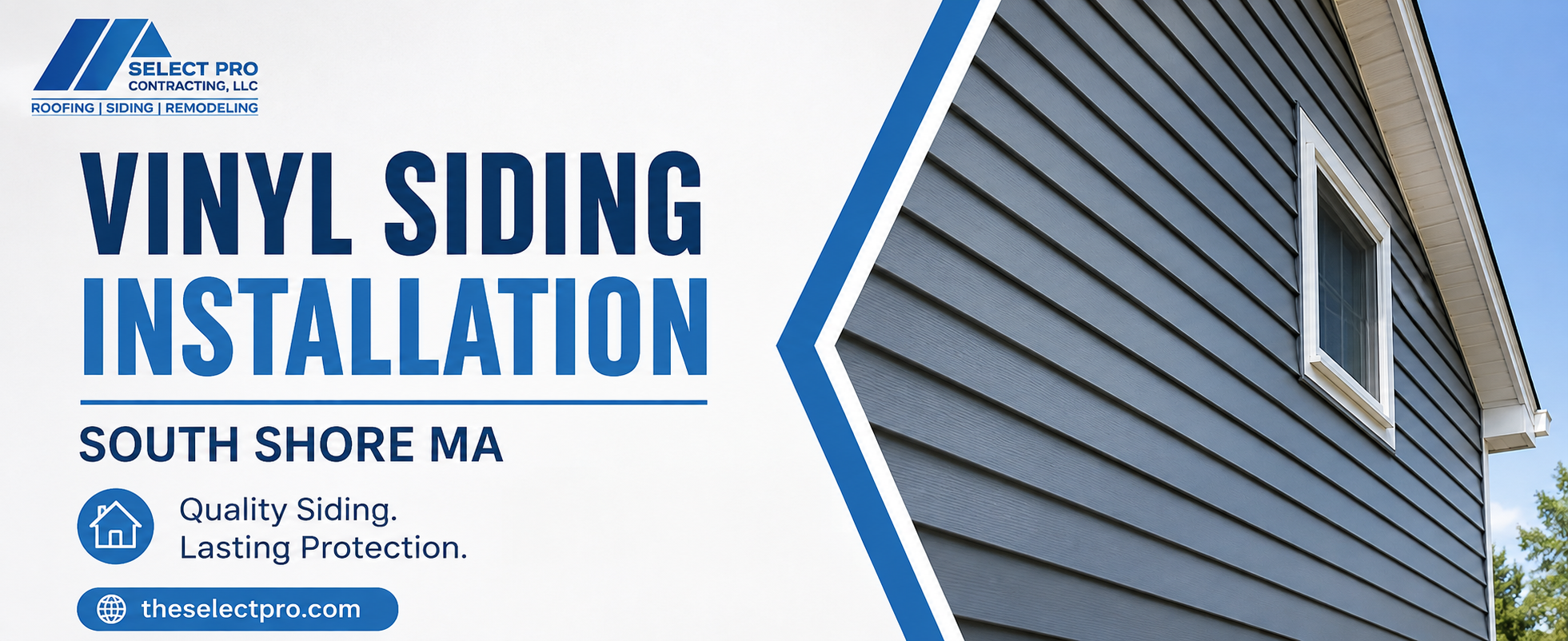
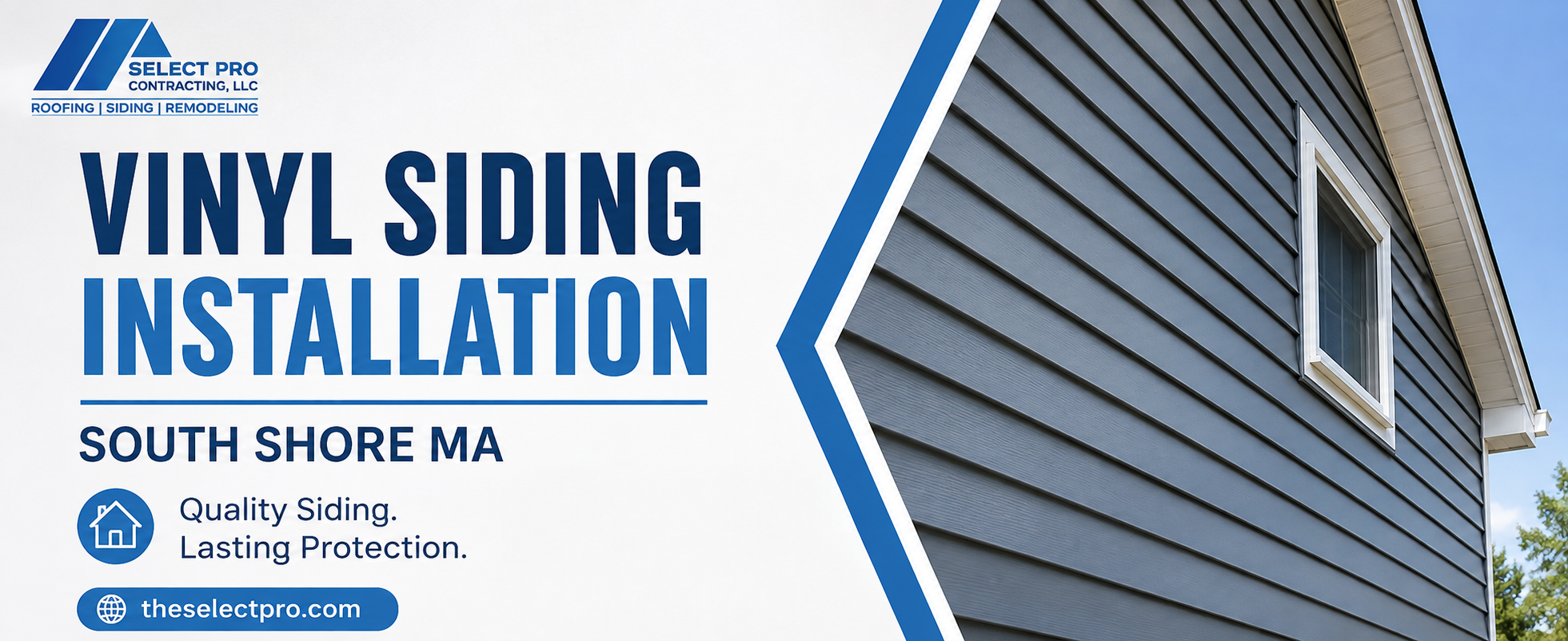
 Preparing your home properly before a Vinyl Siding Installation South Shore MA can make it smoother, more efficient, and more durable. For homeowners on the South Shore of Massachusetts, preparation is especially important because homes experience changing temperatures, moisture, strong coastal winds, snow, and seasonal weather. A good siding project is about more than choosing an attractive color.
The existing exterior needs to be inspected, repaired, cleaned, and prepared so the new siding has a sound surface to protect. From checking the walls and removing obstacles to addressing moisture problems and discussing materials with your contractor, a little preparation can help prevent avoidable problems and create a cleaner finished appearance.
Inspect Your Existing Exterior
Look for cracked or loose siding, damaged trim, rotting wood, holes, water stains, peeling paint, and areas where moisture may have entered the wall assembly. Pay particular attention to areas around windows, doors, rooflines, corners, and utility penetrations. These locations need proper detailing because they can become vulnerable to water intrusion if they are not prepared correctly.
Massachusetts building requirements emphasize weather protection for exterior wall assemblies, including appropriate water-resistive barriers and drainage provisions. If significant damage is discovered, have it repaired before the new siding is installed. Covering structural or moisture-related problems with new siding can make them more difficult to identify later.
Check for Moisture Problems
Moisture is one of the biggest concerns when preparing for new siding. Before Vinyl Siding Installation South Shore MA begins, determine whether water is entering through damaged areas of the existing exterior.
Check for:
- Water stains on interior or exterior walls
- Rot around windows and doors
- Damaged flashing
- Leaking gutters or downspouts
- Cracks around exterior penetrations
- Damp or deteriorated sheathing
- Poor drainage near the foundation
Flashing is particularly important around openings and transitions. Massachusetts code provisions require flashing to help prevent moisture from entering the wall or redirect water toward the exterior.
Fixing these issues before siding installation can help protect the wall assembly rather than simply hiding existing damage.
Remove or Secure Exterior Obstacles
Vinyl siding needs a clear working area. Walk around the property and identify anything attached to the exterior that could interfere with installation.
Depending on the project, this may include:
- Shutters
- Exterior lights
- House numbers
- Mailboxes
- Hose reels
- Satellite equipment
- Decorative items
- Certain window treatments
- Downspouts
- Some exterior fixtures
Your contractor can determine which items need temporary removal and which can remain in place. Marking important fixtures beforehand can also make reinstallation easier.
Trim back branches, vines, and shrubs that are touching the walls. This gives the installation team better access and reduces the chance of landscaping damage.
Decide Whether Old Siding Should Be Removed
In some situations, new vinyl siding may be installed over an existing exterior surface. In others, removing the old siding may be the better approach. The right choice depends on the condition of the existing siding, the wall assembly, moisture concerns, local requirements, and the manufacturer’s installation instructions.
Removing old siding can reveal hidden damage that would otherwise remain underneath the new material. It can also provide an opportunity to inspect the sheathing and prepare the wall properly. Discuss this decision with your contractor rather than automatically choosing the fastest option. A good installation begins with understanding what is underneath the existing exterior.
Inspect the Wall Surface
Once the exterior is accessible, the wall surface should be reasonably sound and suitable for the new siding system. Uneven sheathing, damaged boards, protruding fasteners, or deteriorated materials can affect the appearance of vinyl siding. Surface irregularities may become visible after installation, so correcting them beforehand can help create a flatter, more consistent finish.
The Massachusetts building code requires vinyl siding to be applied over appropriate sheathing or approved materials and installed according to applicable water-resistance requirements and manufacturer instructions. This is one reason professional preparation matters. The siding itself is only one part of the exterior wall system.
Discuss Weather-Resistant Barriers
Before the vinyl siding goes up, ask your contractor about the condition and installation of the water-resistive barrier. This layer helps manage moisture that gets behind the siding. It works together with flashing and drainage details to protect the wall assembly.
Do not assume that attractive new siding alone makes a wall waterproof. Massachusetts requirements specifically address weather-resistant exterior wall envelopes, water-resistive barriers, flashing, and drainage. Your contractor should evaluate the existing wall and determine what preparation or replacement is appropriate for your home’s construction.
Plan Around Windows and Doors
Windows and doors require careful preparation because they create openings in the exterior wall. Inspect the surrounding trim, flashing, caulking, and framing for damage. If windows are being replaced as part of the project, coordinate the timing with the siding installation.
Planning these details before work begins can prevent unnecessary removal or reinstallation later. It also helps ensure the siding, trim, and flashing work together rather than being treated as separate components.
Choose Your Siding Details Early
Do not wait until installation day to make important design decisions. Select your siding color, profile, trim, corner style, soffit details, and other visible elements in advance. Think about how the siding will look with your roof, windows, doors, and existing architectural features. If you live in a neighborhood with older homes, consider how the chosen profile and color fit the home’s character.
It is also worth discussing how the siding will handle your home’s exposure to sun, wind, and seasonal temperature changes. Vinyl siding installed in Massachusetts must meet applicable requirements, including ASTM D3679 standards referenced by the building code.
Prepare Your Property for Installation Day
A little logistical preparation can make the project easier for everyone. Move outdoor furniture, grills, toys, planters, and other movable objects away from the walls. Keep driveways and access points available for the installation team and delivery of materials.
If you have pets, consider keeping them indoors or in a secure area during active work. Siding projects can involve ladders, tools, cutting equipment, and frequent movement around the property. You should also protect or relocate fragile outdoor items before work begins.
Discuss the Project With Your Contractor
Before installation starts, have a detailed conversation with your contractor about the scope of work. Ask about the expected preparation, removal of existing siding, wall repairs, flashing, weather-resistant barriers, trim, ventilation, cleanup, and final inspection.
It is also useful to clarify who handles permits or inspections if they are required for your particular project and municipality. Local requirements can vary, so your contractor should confirm the applicable rules rather than making assumptions. A written scope of work can help everyone understand what is included before installation begins.
Bottom Line
Proper preparation is the foundation of a successful siding project. By inspecting your exterior, addressing moisture or structural concerns, clearing obstacles, evaluating the existing siding, preparing wall surfaces, and planning windows, doors, trim, and materials ahead of time, you can help your new exterior perform better and look more polished.
For homeowners planning Vinyl Siding Installation South Shore MA, working with an experienced local contractor can make the preparation and installation process much easier. To discuss your home’s siding needs and get professional assistance with your project, visit The Select Pro for more information about vinyl siding installation services in the South Shore area.
Frequently Asked Questions
- How should I prepare my home for vinyl siding installation?
Inspect the exterior, repair damaged areas, address moisture problems, clear obstacles, and ensure the wall surface is ready for the new siding.
- Should old siding be removed before installing vinyl siding?
Not always. The decision depends on the condition of the existing siding, the wall assembly, moisture concerns, and installation requirements. A professional inspection can determine the best approach.
- Do I need to repair damaged wood before installing vinyl siding?
Yes. Rotting, cracked, or deteriorated wood should generally be repaired or replaced before new siding is installed. Covering damaged materials can allow underlying problems to continue.
- What should I do around windows and doors before siding installation?
Check the surrounding trim, flashing, caulking, and framing for damage. Proper preparation around openings helps manage moisture and creates a cleaner siding installation.
- How can I prepare my property for siding installation day?
Move outdoor furniture, planters, decorations, toys, and other objects away from exterior walls. Keep access areas clear and make arrangements to keep pets safely away from the active work area.