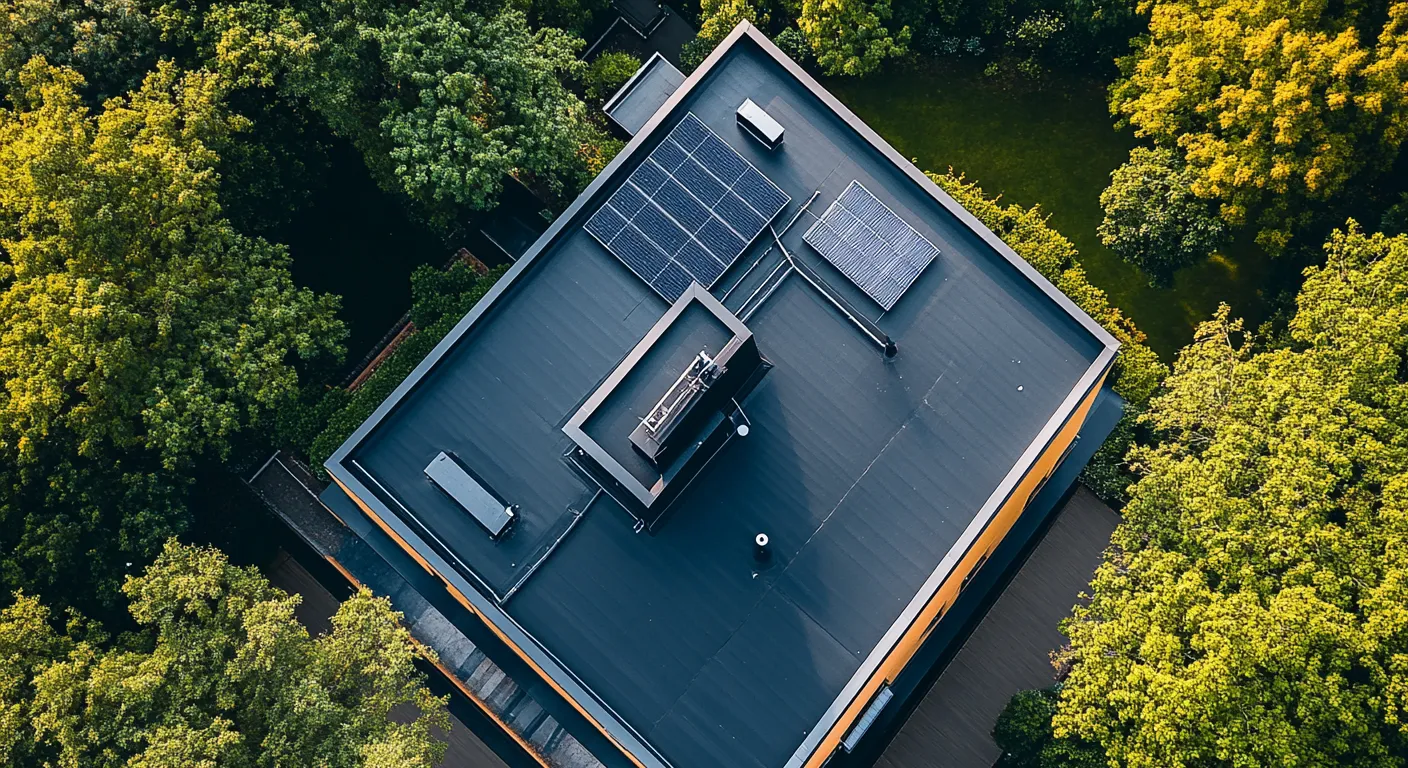
Rubber Roof Lifespan: How Long and Why?
Rubber roofs, particularly those made of EPDM (Ethylene Propylene Diene Monomer), are an excellent choice for both residential and commercial buildings in Plymouth, MA. Known for their durability and cost-effectiveness, rubber roofs can withstand harsh weather conditions when properly installed and maintained. Select Pro Contracting provides expert installation and maintenance services, ensuring your roof delivers long-lasting protection.
How Long Does a Rubber Roof Last?
The average lifespan of a rubber roof ranges between 40 and 50 years. However, this depends on several factors, including material quality, installation techniques, and maintenance practices. With the right care, rubber roofs can retain their integrity for decades, making them a reliable and eco-friendly choice.
Factors That Impact Longevity
- Material Quality
High-quality EPDM materials offer better durability and resistance to environmental factors. Opting for thicker membranes typically results in longer lifespans. - Installation Standards
Proper installation is critical for avoiding issues like seam failure or water infiltration. Partnering with an experienced contractor ensures optimal performance. - Maintenance Practices
Regular inspections, cleaning, and prompt repairs significantly extend the lifespan of rubber roofs. Addressing minor issues early prevents them from escalating into costly repairs. - Weather Conditions
While EPDM is resistant to UV rays, hail, and extreme temperatures, severe storms or heavy snow can still impact its lifespan. Routine checks after weather events are essential.
Benefits of Rubber Roofing
Rubber roofs offer a host of advantages that make them an attractive option for property owners:
- Durability: With resistance to UV rays, hail, and fluctuating temperatures, EPDM roofs perform well in Plymouth’s diverse climate.
- Eco-Friendly: Rubber roofs are often made from recycled materials and are fully recyclable at the end of their lifecycle.
- Energy Efficiency: Available in black or white, EPDM roofs help regulate indoor temperatures, reducing energy costs.
- Affordability: Rubber roofing provides a cost-effective solution with minimal maintenance requirements.
Unique Fact
EPDM roofing materials can withstand temperatures as low as -40°F and as high as 300°F, making them one of the most temperature-tolerant roofing options available.
Common Issues and Solutions
Even durable materials like rubber roofs can develop problems over time. Regular inspections help catch and address issues such as:
- Shrinkage: Over time, EPDM membranes can contract, especially at edges and seams. Proper installation and timely maintenance mitigate this risk.
- Punctures: Sharp objects or excessive foot traffic can cause punctures. Adding protective layers or limiting roof access can prevent damage.
- Seam Failures: Seams are prone to wear and tear, but professional sealing techniques ensure long-term performance.
Tips for Maintaining a Rubber Roof
Proper care and attention can maximize the life of your rubber roof:
- Regular Cleaning: Remove debris like leaves and branches to prevent water pooling.
- Frequent Inspections: Check for cracks, blisters, or seam issues every six months and after major storms.
- Prompt Repairs: Address minor damage immediately to avoid larger, costlier repairs.
- Professional Assessments: Schedule annual inspections with experts like Select Pro Contracting for comprehensive evaluations.
FAQs About Rubber Roofs
- How often should I inspect a rubber roof?
Twice a year and after significant weather events to catch early signs of damage. - Are rubber roofs suitable for residential properties?
Yes, they are ideal for flat or low-sloped residential roofs, offering durability and energy efficiency. - Can a rubber roof handle heavy snow?
Yes, EPDM roofs are designed to withstand heavy snow and prevent water damage with proper drainage systems. - How much does it cost to install a rubber roof?
Installation costs typically range from $4 to $8 per square foot, depending on the roof’s size and complexity. - Is EPDM roofing eco-friendly?
Yes, it is often made from recycled materials and can be fully recycled at the end of its lifecycle.
For more details on asphalt roofing and its advantages, click here. Trust Select Pro Contracting for professional rubber roofing services that enhance durability, efficiency, and value.