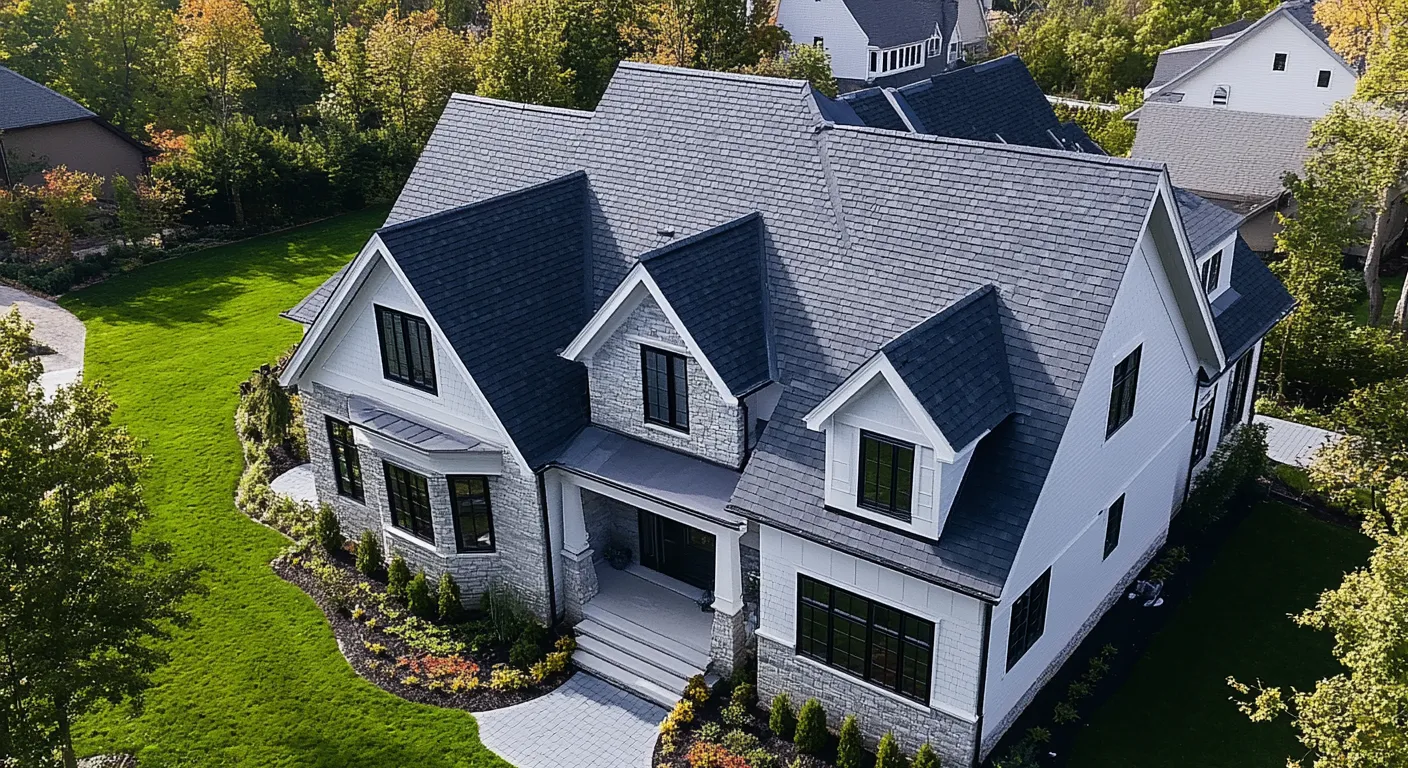
Roof Framing: Its Role in Home Protection
Roof framing is the backbone of your home’s roofing system, providing structural integrity and supporting the entire roof. While it often goes unnoticed, framing plays a crucial role in protecting your home against weather, ensuring ventilation, and supporting architectural features. Select Pro Contracting, based in Plymouth, MA, specializes in roof inspections and repairs to ensure your framing and overall roofing system stay in excellent condition.
The Basics of Roof Framing
Roof framing is a network of interconnected wooden or metal members that form the structure of your roof. Common components include rafters, ridgeboards, and sheathing, which collectively create a sturdy and durable system capable of handling snow, wind, and other environmental loads.
Key Components of Roof Framing:
- Rafters: Angled boards that support the roof deck and run from the ridgeboard to the roof’s edge.
- Ridgeboard: A horizontal beam at the peak of the roof, where rafters converge.
- Sheathing: A layer of boards or plywood that forms the base for roofing materials.
- Trusses: Pre-engineered, triangular structures that provide efficient support in modern construction.
In older homes, “stick-built” framing was common, where carpenters cut and installed each board individually. Today, many homes use prefabricated trusses for faster and more precise installation.
Interesting Fact: Rafters are typically spaced 16 inches apart to evenly distribute weight, but some roofs may use spacing of 12 or 24 inches, depending on structural needs.
Why Roof Framing is Essential
1. Structural Stability
Roof framing supports not only the roofing materials but also external loads like snow, rain, and wind. Proper framing ensures the roof distributes these loads evenly across the structure, preventing sagging or collapse.
2. Ventilation Integration
A well-framed roof includes features like soffit vents and ridge vents that promote airflow, reducing moisture accumulation and extending the lifespan of the roof and attic insulation. Poor ventilation leads to mold, rot, and higher energy costs.
3. Architectural Adaptability
Roof framing accommodates a variety of architectural features such as dormers, skylights, and chimneys. These enhancements improve aesthetics and functionality, but they also require precise framing to avoid structural weaknesses.
Pro Tip: Blocked soffit vents or improper ventilation can significantly shorten your roof’s lifespan. Keep vents clear to maintain airflow.
Maintenance Tips for Roof Framing
To ensure your roof framing remains in optimal condition, regular maintenance is essential. Even small issues like minor leaks or poor ventilation can compromise the entire roofing system over time.
Conduct Regular Inspections
Professional roof inspections should be conducted at least once a year and after severe weather events. Inspectors look for signs of rot, mold, and structural weakness in rafters and ridge boards.
Prevent Water Damage
Leaks are the most common threat to roof framing. Repair small leaks immediately to prevent water from penetrating the wood and causing rot. Check flashing around chimneys and vents, as these are common entry points for water.
Keep Ventilation Open
Clogged or obstructed soffit and ridge vents can lead to moisture buildup, which promotes mold growth and weakens framing. Clear debris from vents regularly to maintain proper airflow.
Fun Fact: A well-maintained roof with proper ventilation can extend the lifespan of framing components by up to 20 years.
Costs Associated with Roof Framing
Repairing or replacing roof framing is an investment, but understanding the associated costs helps homeowners plan effectively.
- Minor Repairs: Fixing a single rafter or ridgeboard can cost between $300 and $700, depending on the extent of the damage.
- Major Repairs: Replacing sections of framing or addressing widespread rot can cost between $1,500 and $5,000.
- Complete Reframing: For significant structural changes, costs range from $7,000 to $15,000, depending on roof size and complexity.
Frequently Asked Questions
- How long does roof framing last?
Roof framing can last the life of your home if properly maintained. Regular inspections and timely repairs ensure longevity. - Can roof framing be repaired without replacing the roof?
Yes, localized repairs can address specific issues like cracked rafters or loose connections without requiring a full roof replacement. - What causes roof framing to fail?
Moisture, pest infestations, and prolonged exposure to extreme weather are common causes of framing deterioration. - Is truss framing better than stick-built framing?
Trusses are pre-engineered and cost-effective, offering consistent strength. Stick-built framing provides flexibility for custom designs but requires more labor and time. - Can I add skylights or dormers to an existing roof?
Yes, but these modifications require careful reframing to maintain structural integrity. Always consult a professional for such projects.
If you’re interested in learning about the importance of flashing and ridge vents in roof systems, click here.
Conclusion
Roof framing is a critical part of your home’s overall structural integrity and functionality. Regular maintenance, professional inspections, and timely repairs are key to preserving this essential component. With Select Pro Contracting, you’ll receive expert advice and services tailored to your roof’s unique needs. Contact us today to ensure your roof framing remains strong and reliable for years to come.