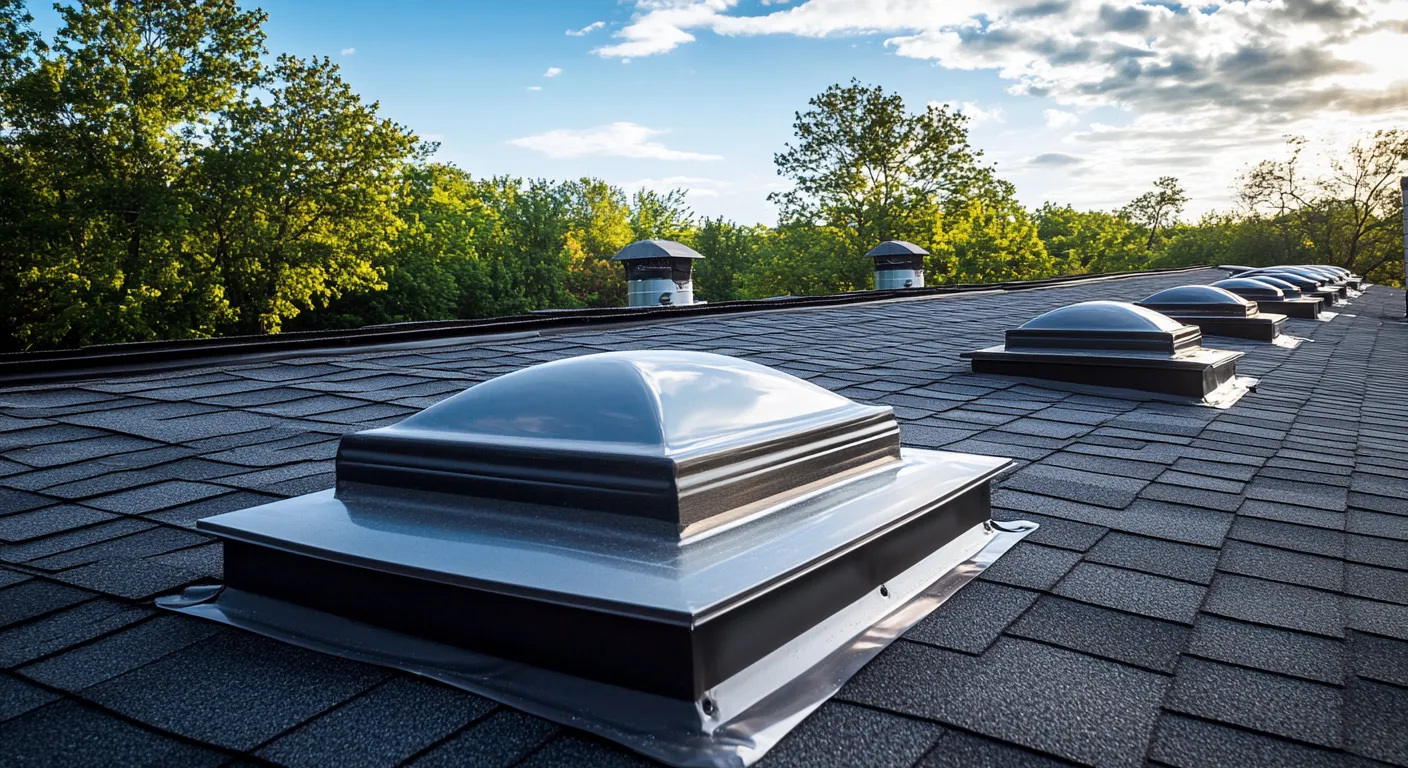
How Proper Ventilation Extends Roof Longevity
Proper ventilation plays a pivotal role in protecting your roof from premature wear and costly damage. By maintaining a consistent flow of air through the attic, you can enhance your roof’s performance, energy efficiency, and lifespan. If you’re in Plymouth, MA, Select Pro Contracting offers expert assessments and ventilation solutions to safeguard your home.
How Roof Ventilation Works
Roof ventilation uses a straightforward process: air enters through soffit vents near the roof’s base and exits through ridge or gable vents at the peak. This continuous airflow prevents the attic from trapping heat and moisture, maintaining balanced temperatures and humidity levels. Without proper ventilation, the roof structure is prone to damage from extreme temperatures, condensation, and mold growth.
Common Signs of Poor Ventilation
Diagnosing poor ventilation is critical to preventing long-term damage. Here are some key indicators:
- Stagnant Air and Musty Odors: A lack of airflow causes the attic to feel stuffy, often accompanied by musty smells from trapped moisture.
- Visible Water Damage or Mold: Water stains, discoloration, or mold growth on roof decking and rafters signal excess humidity.
- Higher Energy Bills: Inefficient ventilation forces heating and cooling systems to work harder, increasing energy consumption.
A quick test involves using an incense stick or smoke stick in the attic. If the smoke does not rise and escape through the ridge vent, the airflow is insufficient.
Benefits of Proper Ventilation
- Prevents Moisture Damage
Ventilation regulates humidity, stopping condensation from forming on roof components. This reduces the risk of mold, mildew, and rot that can weaken wood and other materials. - Protects Roofing Materials
In summer, ventilation reduces attic heat, preventing asphalt shingles from overheating and aging prematurely. In winter, it mitigates ice dam formation by maintaining a consistent roof temperature. - Enhances Energy Efficiency
Ventilated attics stay cooler in summer and warmer in winter, easing the burden on HVAC systems. This leads to lower energy bills and a more comfortable home. - Extends Roof Longevity
Proper ventilation reduces stress on the roof’s structure and materials, extending its lifespan and delaying the need for costly replacements.
Optimizing Your Roof Ventilation
Whether you’re installing a new roof or upgrading your current system, improving ventilation is essential. Here are key steps to enhance airflow:
Clear Blockages
Soffit vents often become clogged with debris or insulation over time, obstructing airflow. Ensuring vents are clear allows air to circulate freely.
Install Additional Ventilation
Larger homes or those with complex roof structures may need additional ridge vents, gable vents, or powered ventilators to maintain sufficient airflow.
Add Baffles
Baffles, or ventilation chutes, guide air through the attic while preventing insulation from blocking soffit vents. This ensures consistent airflow across all areas.
Schedule Regular Inspections
Professional inspections can identify ventilation issues early and recommend adjustments or repairs to improve efficiency.
How Poor Ventilation Impacts Roof Longevity
Without proper ventilation, your roof is exposed to a range of issues that can shorten its lifespan. Trapped moisture leads to wood rot and mold, while excessive heat accelerates the degradation of shingles. Additionally, ice dams caused by uneven roof temperatures can result in leaks and structural damage. Investing in ventilation improvements now can save thousands in repair and replacement costs later.
Why Choose Professional Assistance
Improving roof ventilation requires expertise to ensure proper installation and long-term results. Select Pro Contracting specializes in identifying ventilation problems and delivering tailored solutions that protect your roof and maximize its lifespan. Their experienced team ensures every project meets the highest standards of quality and efficiency.
FAQs About Roof Ventilation
How often should I inspect my roof ventilation system?
Conduct annual inspections and after significant weather events to ensure vents are clear and functional.
Can poor ventilation increase mold growth?
Yes, insufficient airflow traps moisture in the attic, creating ideal conditions for mold and mildew.
Does adding ventilation save energy?
Absolutely. Proper ventilation reduces the strain on HVAC systems, leading to noticeable energy savings.
For more information on recognizing when it’s time for a roof replacement, click here.