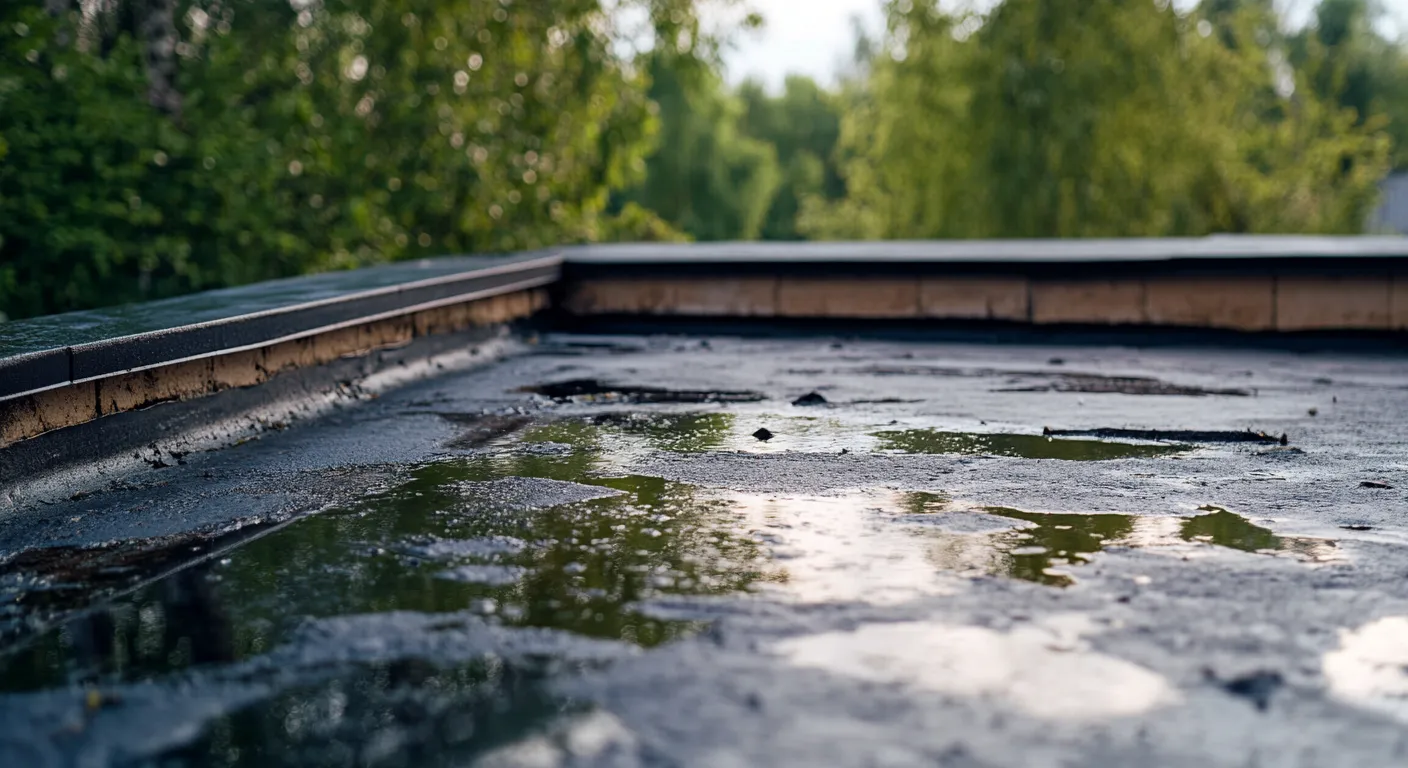
Fixing a Leaking Flat Roof: Your Ultimate Guide
Flat roofs are popular for their modern aesthetics and efficient use of space, but they can present challenges when leaks occur. Addressing leaks promptly ensures the longevity of your roof and prevents further damage. Select Pro Contracting, based in Plymouth, MA, specializes in professional flat roof repairs tailored to your home’s needs.
Identifying the Source of the Leak
Locating the source of a leak is often the most challenging part of the repair process. Here are some common indicators:
- Water Stains: Look for discoloration on your ceilings or walls.
- Mold or Mildew Smell: Musty odors suggest prolonged water intrusion.
- Cracks and Blisters: Inspect the roof surface for visible signs of damage.
For accurate results, combine indoor and outdoor measurements to pinpoint the leak’s location. Check higher points on the slope, as water often travels before dripping into the interior.
Steps to Fix a Leaking Flat Roof
Materials Needed
- Roofing patch material (rubberized wet patch or bitumen primer)
- Reinforcing fabric or membrane patches
- Wire brush and cleaning rags
- Safety gloves and goggles
- Utility knife
Step 1: Remove Damaged Material
Cut out the damaged portion of the roof with a utility knife, extending one to two inches beyond the affected area to ensure a clean patch.
Step 2: Clean and Prep
Clear debris using a wire brush and clean the surface with mineral spirits. This step ensures better adhesion for the patch material.
Step 3: Apply Base Layer
Spread a rubberized wet patch over the affected area using a putty knife, filling any depressions to create an even surface.
Step 4: Reinforce
Cut reinforcing fabric or membrane to size and embed it into the wet patch. Smooth out folds or creases to prevent water ingress.
Step 5: Seal the Repair
Apply a top layer of patch material over the reinforcement, extending it two to four inches beyond the patch edges. Feather the edges for a seamless transition.
Step 6: Final Inspection
Once the patch has dried, inspect the area for gaps or imperfections. Perform a water test to confirm the repair’s effectiveness.
DIY vs. Professional Repairs
DIY Repairs
Temporary fixes, such as applying sealants or waterproof coatings, are ideal for small leaks. However, they may not address underlying issues.
Limitations:
- Difficulty accessing high or complex areas
- Risk of incomplete sealing
- Limited durability
Professional Repairs
For extensive damage or recurring leaks, professional expertise ensures a long-lasting solution. Professionals can assess the roof’s condition and recommend repair or replacement.
Fun Fact: Professionally repaired flat roofs can last an additional 10–20 years, depending on materials and maintenance.
Frequently Asked Questions
- Can I fix a flat roof in wet conditions?
It’s best to wait for dry weather, but quick-drying sealants can provide temporary relief. - How much does it cost to repair a flat roof?
Minor repairs range from $150 to $500, while extensive repairs may cost $1,000 or more. - When should I replace my flat roof?
If your roof is older than 20 years or has widespread damage, replacement is more cost-effective. - What materials are best for flat roof repairs?
EPDM and TPO membranes are durable, energy-efficient options for long-term repairs. - How often should flat roofs be inspected?
Conduct inspections twice a year and after severe weather to catch issues early.
If you want to learn more about expert tips for new roof construction, click here.
Conclusion
Repairing a leaking flat roof promptly can save you from costly damages and extend the life of your roof. Whether you choose a DIY approach or hire professionals like Select Pro Contracting, taking action early is the key to protecting your investment. Contact us today for expert guidance and tailored solutions.